
laminated windshield glass
Understanding Ring Gauge Class An In-Depth Exploration The ring gauge class is a fundamental concept in the field of metrology, particularly concerning the measurement of cylindrical components and precision engineering. This measurement tool serves as an essential benchmark for assessing the dimensional accuracy of parts, including but not limited to shafts, rods, and various cylindrical pieces. By using ring gauges, manufacturers can ensure that components fit into assembly processes with the required level of precision, which is critical in industries ranging from aerospace to automotive. What is a Ring Gauge? A ring gauge is a specific type of gauge that is designed to measure the external diameter of cylindrical objects or the internal diameter of cylindrical holes. It is essentially a ring-shaped tool that can have different tolerances, ranging from loose fit to tight fit, depending on the intended application. The gauges come in two main varieties the “go” gauge and the “no-go” gauge. The go gauge is used to determine if a part is within the specified limits of size, while the no-go gauge ensures that a part does not exceed the maximum allowable dimensions. Importance of Ring Gauge Class The ring gauge class is crucial for several reasons 1. Precision and Accuracy In an era where precision engineering is paramount, ring gauges help ensure that every component meets strict dimensional tolerances. This helps in minimizing errors during the assembly process and contributes to overall product quality. 2. Standardization Ring gauges promote uniformity and comparability in measurements across various projects and industries. By adhering to established class standards, manufacturers can communicate measurements more effectively and reduce the chances of discrepancies. ring gauge class 3. Quality Control Utilizing ring gauges as part of a quality control system helps identify defects early in the manufacturing process. This proactive approach to quality assurance can save time and money by reducing scrap rates and the risk of warranty claims. 4. Ease of Use Compared to other measurement tools, ring gauges are relatively simple to use, making them accessible for various operators. Their straightforward design enables quick checks without the need for complex setups or calibrations. Types of Ring Gauges Ring gauges come in different classes based on the tolerance levels and the manufacturing standards used to produce them. The most commonly referenced standards are those established by the International Organization for Standardization (ISO) and the American National Standards Institute (ANSI). These standards dictate the permissible deviations from the nominal size, which are critical for ensuring compatibility between mated parts. 1. Class A and Class B These classes indicate different tolerance levels. Class A gauges have tighter tolerances and are used for high-precision applications. Class B gauges, on the other hand, have broader tolerances and are more suited for general-purpose usage. 2. Material Considerations Ring gauges can be made from various materials, with steel being the most common due to its durability and resistance to wear. Some high-precision applications may require gauges made from carbide or other specialized materials to enhance longevity and accuracy. Conclusion In conclusion, the ring gauge class plays a vital role in ensuring the precision and quality of cylindrical parts in manufacturing. By facilitating standardized measurements, ring gauges not only aid in maintaining the integrity of engineering processes but also enhance the reliability of final products. As industries continue to evolve and demand higher levels of precision, the significance of ring gauges and their classifications will undoubtedly grow, affirming their place as indispensable tools in the world of metrology and engineering. Therefore, understanding the nuances of ring gauge classes is essential for engineers, quality assurance personnel, and manufacturers alike, ensuring that every component meets the high standards set by today’s demanding industrial landscape.
about
laminated windshield glass
Understanding the Importance of Opening Water Valves in Efficient Hydraulic Systems Water valves are critical components in various hydraulic systems, ensuring the proper flow and management of water in residential, commercial, and industrial applications. The act of opening a water valve may seem trivial at first glance, yet it plays a significant role in maintaining efficiency, safety, and functionality in numerous contexts. This article explores the importance of opening water valves, the different types available, and best practices for managing them effectively. At its core, a water valve controls the flow of water through pipes. When we refer to “opening a water valve,” we typically mean allowing water to flow freely into a system, whether for irrigation, plumbing, or industrial usage. In plumbing, for instance, opening the main water valve can lead to the activation of various fixtures around the house, such as faucets, washing machines, and dishwashers. Proper management of these valves is essential to ensure all systems operate smoothly, avoiding leaks and water wastage. Understanding the Importance of Opening Water Valves in Efficient Hydraulic Systems There are various types of water valves that serve distinct purposes. The most common include gate valves, globe valves, ball valves, and check valves. Each type has its advantages and specific application scenarios. For example, gate valves are often used for applications where minimal pressure drop is required, as they allow for a straight-line flow. In contrast, ball valves are well-known for their durability and ability to provide a tight seal, making them ideal for applications requiring complete shutoff. open water valve It is vital to note that opening water valves should be done with caution. Improper handling can lead to water hammer—a phenomenon caused by a sudden change in water flow that can cause significant pressure surges. This may result in damaged pipes and fittings, leading to costly repairs and water damage. To mitigate these risks, it is essential to open valves gradually and monitor the system’s response. Moreover, regular maintenance of water valves is crucial for their longevity and functionality. Over time, debris can accumulate within the valve or pipeline, causing blockages that impede water flow. Regular inspections and cleanings can help prevent these issues and ensure that when a valve is opened, it operates without complications. Additionally, checking for leaks around valve seals can help maintain the health of the overall plumbing system and conserve water. Another key aspect to consider is the role of water valves in emergency situations. Knowing how to quickly open or shut off water valves can be crucial in preventing significant property damage during leaks or burst pipes. Homeowners and facility managers should familiarize themselves with the locations and functions of all water valves in their systems. Regular drills can also prepare individuals to act swiftly in case of an emergency, reducing the risk of severe water damage and related hazards. In industrial settings, the importance of proper valve management is even more pronounced. Here, water valves are often part of larger systems involving chemicals or specialized liquids. The ability to control flow rates meticulously can be vital to maintaining safety and efficiency in industrial processes. Therefore, extensive training on valve operation and the implications of opening and closing them is imperative for operators. In conclusion, while the act of opening a water valve might seem simple, its implications are far-reaching. It is essential for controlling water flow, preventing damage, managing resource usage, and ensuring the smooth operation of various systems. By understanding the different types of valves, embracing best practices for their use, and prioritizing maintenance, individuals and organizations can harness the benefits of water valves effectively. Whether in a residential setting or an industrial application, the prudent management of water valves is fundamental to both efficiency and safety.
-

High quality industrial productsagement

High quality industrial products
View Details -

Meet the diverse needs of customers

Meet the diverse needs of customers
View Details -

Strict quality control

Strict quality control
View Details -

Top raw materials

Top raw materials
View Details -

Trusted supplier

Trusted supplier
View Details
Our application
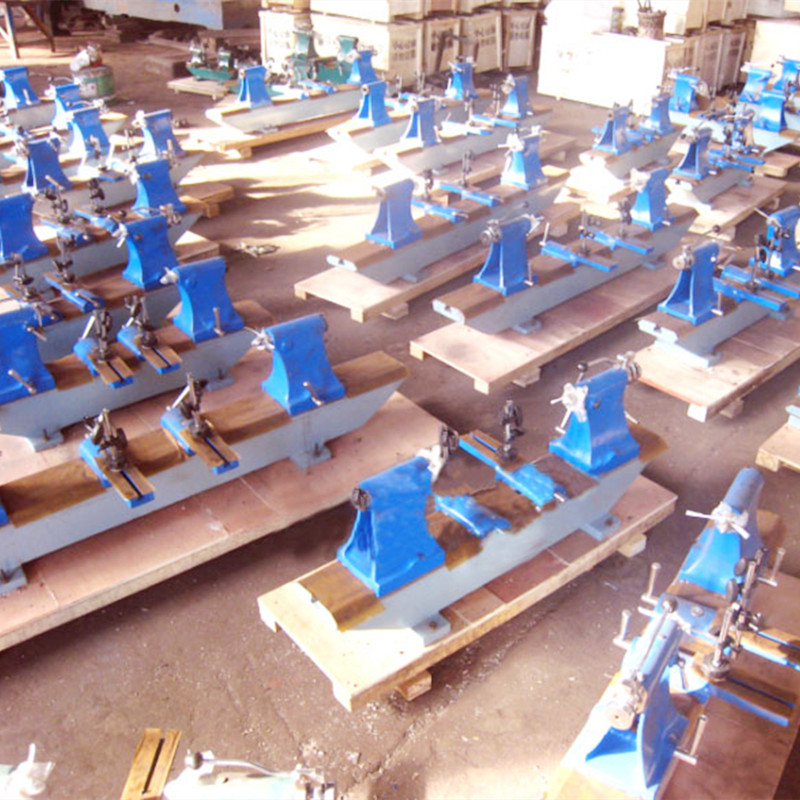
news and information
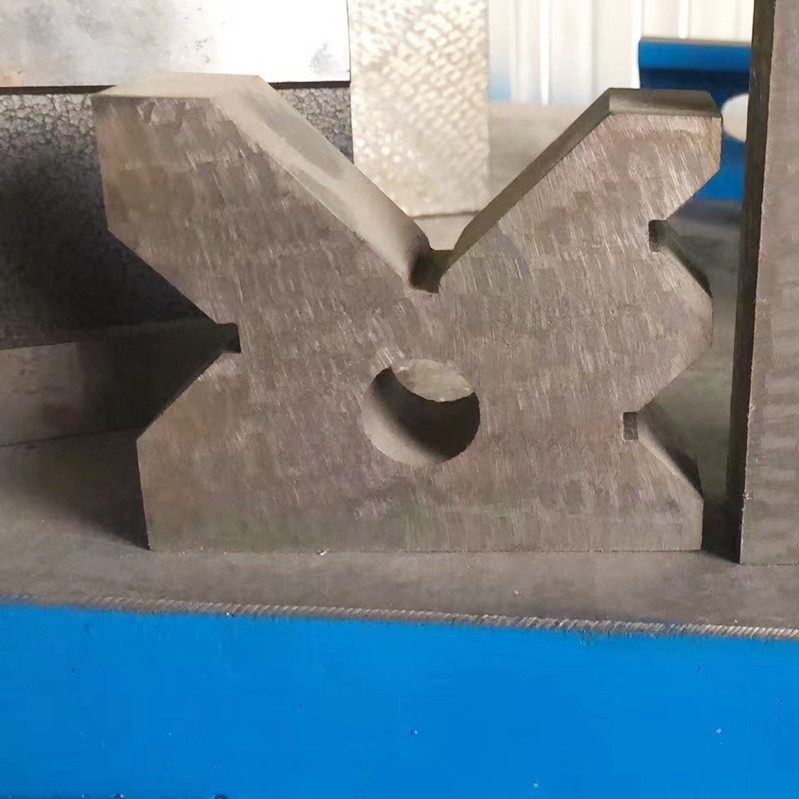
Válvula borterilha de 1,5 polegadas para aplicações industriais e de encanamento.
Válvula Borboleta de 1.5 Polegadas Um Componente Essencial na Indústria As válvulas borboleta desemp
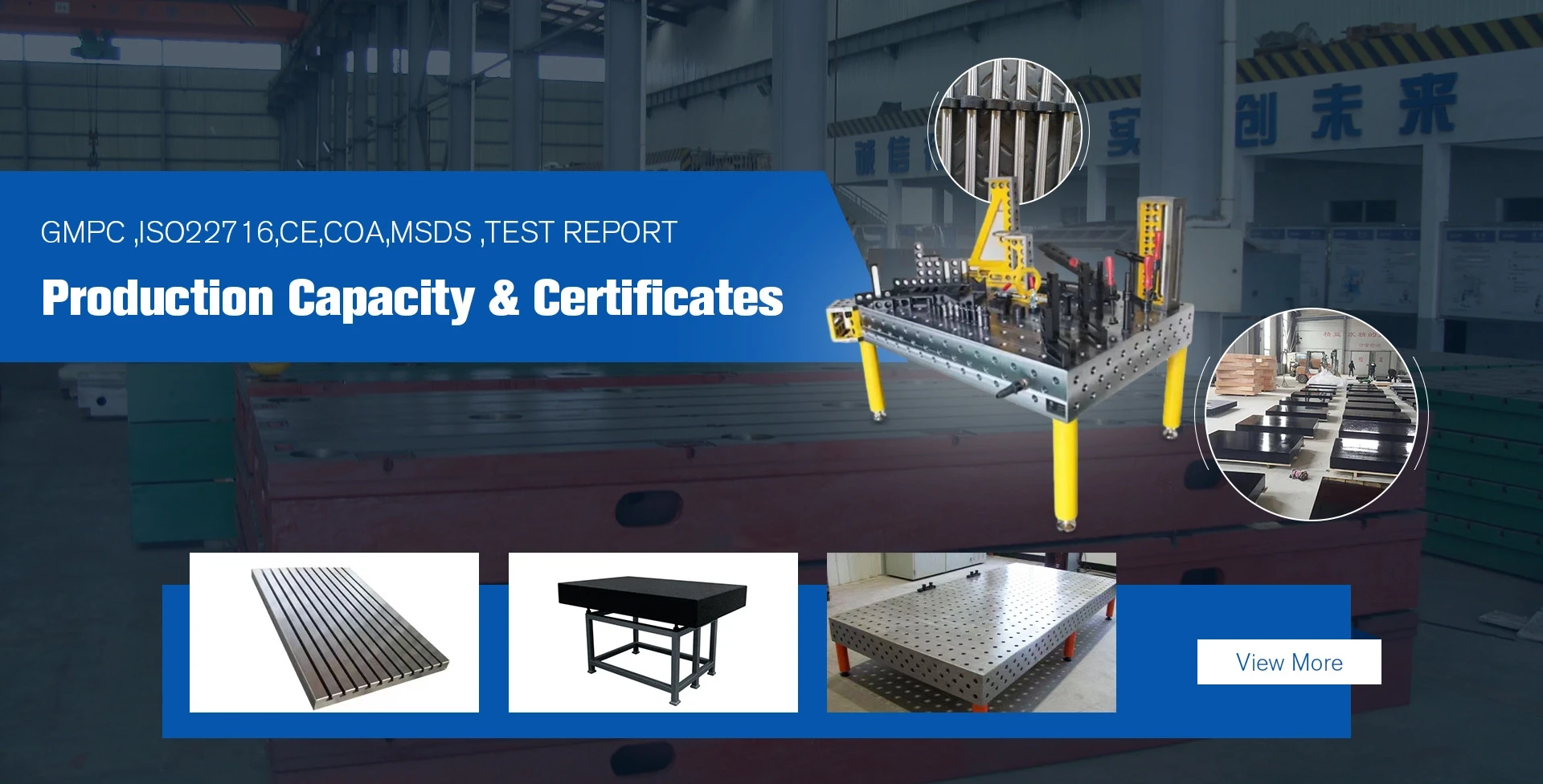
Versatile Granite Square Ruler for Precision Measuring and Construction Tasks
The granite square ruler, often celebrated as a pivotal tool in precision measurement and classical

Water Supply System Check Valve Inspection and Maintenance Guide
Understanding Water Main Check Valves Importance and Functionality Water main check valves play a cr
 English